
Five-Minute Wins With Voice-First Helpers

Today we’re focusing on using smart speakers and timers to power quick chore bursts, turning scattered minutes into satisfying progress. Through practical prompts, playful nudges, and gentle accountability, your kitchen counter becomes a command center where dust, dishes, and distractions finally meet their match. You will learn fast ways to start, simple structures to sustain effort, and easy celebrations that make consistency feel genuinely rewarding rather than exhausting.

Why Short Bursts Beat Marathon Cleanups

Long cleaning marathons drain willpower and invite procrastination, while brief five to ten minute sprints leverage urgency, reduce decision fatigue, and deliver immediate wins. A smart speaker lowers the barrier to starting, and a short timer builds a visible finish line. You move with purpose, forgive small imperfections, and accumulate momentum that outlasts mood swings. Consistency thrives when the next opportunity is never far away and the first step is only a sentence away.

The Psychology Behind Tiny Sprints

Our brains love bounded efforts and clear endings. When you say a quick command and hear a timer begin, the task stops feeling infinite and starts feeling like a game you can finish. The ticking frame simplifies choices and narrows focus. Instead of reorganizing the entire closet, you wipe shelves for seven minutes, experience progress, and return later feeling confident, not defeated. Short commitments preserve energy, protect attention, and create reliable joy in completion.

Parkinson’s Law, But For Laundry

Work expands to fill the time available, and laundry absolutely obeys that sneaky rule. Declare a strict eight minute fold-and-sort sprint, and you will move with bright, athletic focus. The drumbeat of a countdown eliminates dithering, stray scrolling, and half-hearted piles. A voice command makes the boundary public, even if only to yourself, which strengthens resolve. You stop when the chime sounds, celebrate the visible dent, and return tomorrow with less dread and more rhythm.

Momentum, Not Motivation

Motivation is fickle and disappears when the sink looks endless, but momentum grows whenever you finish a small promise. A smart speaker makes beginning hilariously easy, so you begin more often and finish more often. That loop turns chores into a dependable groove rather than a heroic surge. Over time, tiny wins stack into identity: you are the person who resets spaces quickly, cheerfully, and often. That identity carries you through busy days without exhausting negotiations.

One-Phrase Starts You Can Memorize

Create a tiny script you can trigger without thinking: ‘Start a seven minute kitchen reset’, ‘Set a five minute hallway sweep’, ‘Begin a ten minute laundry finish’. Attach a cheerful tone to each phrase so it feels encouraging, not scolding. Keep durations short to avoid resistance, and repeat the phrasing daily until it becomes reflexive. When your mouth moves before your doubts appear, the room improves before your excuses assemble. That is the secret advantage.

Stacked Routines For Repeating Messes

Most messes repeat predictably: breakfast crumbs, entryway clutter, pet fur drift. Build a stacked routine that fires multiple actions with one request: start a timer, play energizing music, and announce a specific checklist. Keep lists short and concrete—wipe table, clear sink, sweep mat—so momentum never stalls. Consistency comes from pressing one invisible button and hearing the same friendly pattern guide your hands. Ritual beats willpower every single weekday morning when time and patience are both thin.

Designing Frictionless Routines With Timers

Timers are tiny architects: they shape beginnings, cadence, and endings with almost no management. Choose intervals that keep urgency friendly, place speakers where you naturally pause, and finish with a pleasant chime that invites a fist pump. Repeat the same lengths often to teach your body a predictable beat. If a sprint fails, shorten it tomorrow rather than blame yourself. The goal is believable ease, not punishment. Gentle structure will carry you farther than stern ambition.

01

Choosing The Right Intervals

Start comically small. Three minutes can clear a counter, corral toys, or empty a drying rack. When three feels laughably easy, graduate to five, seven, or ten based on energy and schedule. Odd numbers sound playful and reduce perfectionism. Use longer intervals for sorting, shorter for speed tasks, and mix them like intervals in a workout. The purpose is flow, not exhaustion. End slightly hungry to return tomorrow eager, not depleted and secretly resentful.

02

Cue, Action, Reward, Repeat

Build a loop that runs almost by itself. Cue: a standing voice command at the same time of day. Action: a focused list matched to the timer’s length. Reward: a satisfying chime, a sip of something nice, and a brief glance at your visibly improved space. Repeat daily until the loop feels like brushing teeth. When energy dips, keep the cue but shrink the action. Protect the loop, and the loop will quietly protect your home.

03

Linking To Natural Anchors

Attach your sprint to events that always happen: after coffee, before lunch, right when the kids put on shoes, or immediately following the last meeting. Natural anchors remove the need to remember and reduce scheduling battles. Place the smart speaker where the anchor lives, so proximity whispers a reminder. One sentence, one chime, one small victory, reliably tied to a moment you never miss. Anchoring replaces heroic planning with gentle inevitability, which is far more dependable.

Gamify The Grind For Families And Roommates

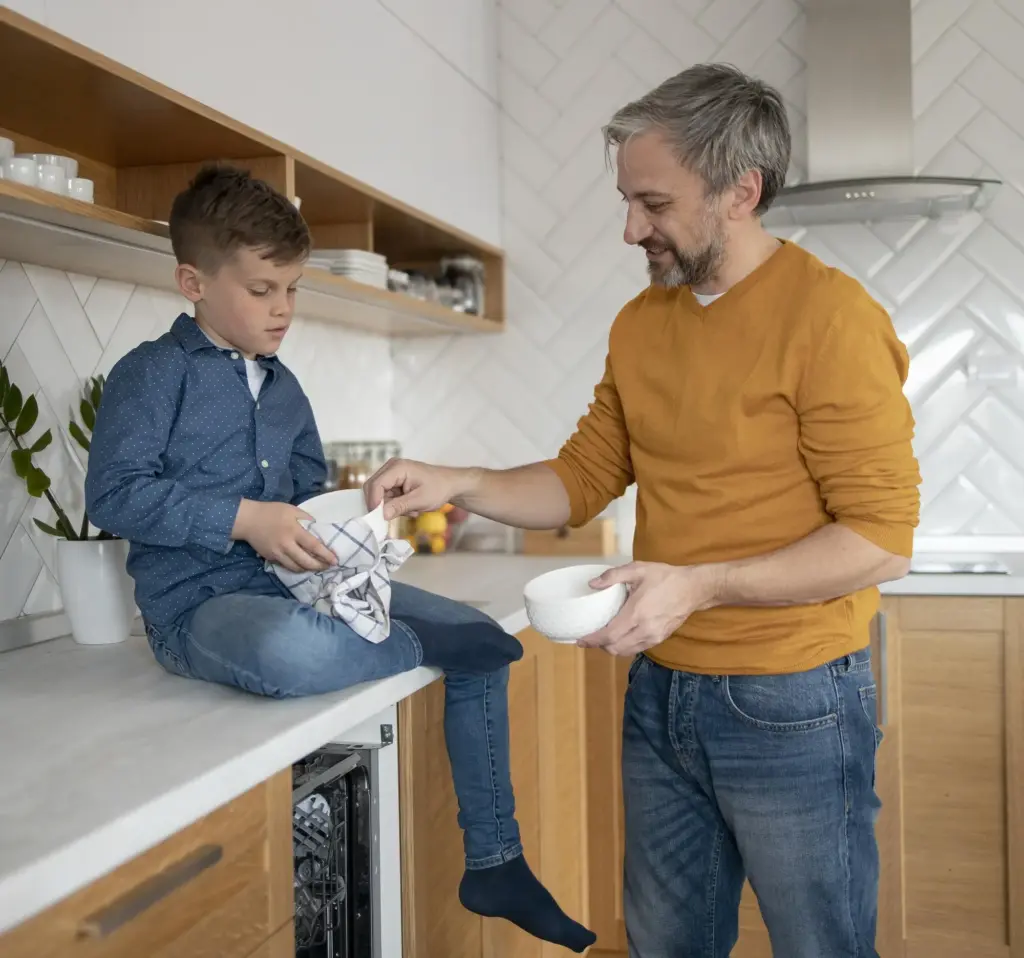
Playfulness turns resistance into participation. A voice assistant can issue challenges, pick upbeat songs, and announce countdowns that feel like races rather than chores. Keep scoring lighthearted, celebrate creative effort, and rotate responsibilities so fairness stays visible. Invite suggestions for challenges to create ownership, especially with kids and reluctant roommates. When everyone laughs, moves, and hears a shared chime signaling victory, tidying transforms from nagging into a team sport that finishes quickly and leaves smiles behind.

Data, Habits, and Tiny Rewards

Tracking should encourage, not embarrass. Count completed sprints, not minutes suffered, and celebrate streaks that survive messy real life. Use simple logs, voice notes, or shared lists to visualize momentum. Pair boring tasks with micro-rewards you truly enjoy, like a favorite podcast segment or fancy tea saved for post-chime. When measures are kind and rewards are personal, you keep going long after novelty fades. The goal is durability: small wins repeated until effortless.

Troubleshooting, Privacy, and Practical Limits

{{SECTION_SUBTITLE}}

When The Speaker Mishears You

Reduce echoes by moving the device off corners, and lower competing sounds before commanding. Use crisp phrasing and odd timer lengths that are harder to confuse. If errors persist, create routines with unique names so one word starts everything. Keep a backup physical timer visible to avoid frustration. The goal is flow, not perfect recognition. Laugh off mistakes, restart quickly, and let the room’s improving look deliver the real proof that your approach works.

Privacy Without Paranoia

Balance convenience with control. Mute microphones during deep conversations, review voice logs periodically, and delete what you do not need. Prefer routines that run locally and avoid unnecessary third-party connections. Place devices away from windows or guests’ bedrooms. Share boundaries with family so everyone understands settings and comfort levels. Thoughtful defaults let you enjoy hands-free help without worry. The safest moments are usually the simplest ones: short timers, clear commands, and minimal data left behind.